March 03, 2026
The Role of Engineering in Adaptive Reuse
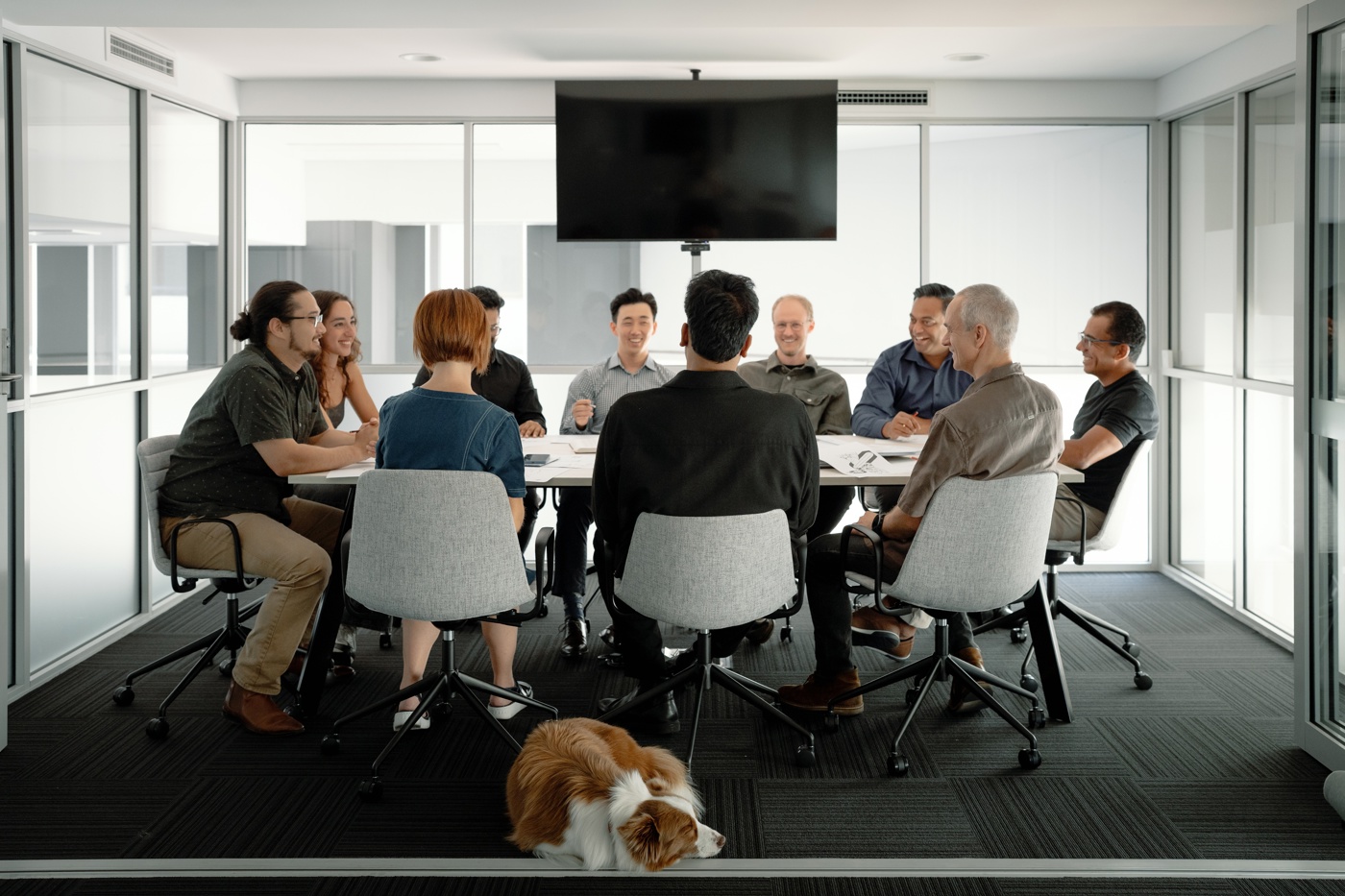
Adaptive reuse — the process of repurposing an existing building for a use different from what it was originally designed for — has become one of the most compelling strategies in modern construction. In Perth, we are seeing former office buildings converted to residential apartments, industrial warehouses transformed into hospitality venues, and heritage structures reimagined as boutique hotels. Each of these conversions relies heavily on engineering to bridge the gap between what the building was and what it needs to become.
From a building services perspective, adaptive reuse projects present challenges that new builds simply do not. Existing floor-to-floor heights may limit the space available for mechanical ductwork and hydraulic pipework. Electrical infrastructure designed for one occupancy type may be inadequate for another. Fire safety systems that met the original building code may fall short of current requirements for the proposed new use. At Devlin Engineering & Management, we approach these constraints as design problems to be solved, not reasons to abandon the project. Our engineers work methodically through each discipline to identify what can be retained, what needs to be upgraded, and where creative solutions are needed to make the project viable.
One area where adaptive reuse engineering differs most from new construction is in the investigation phase. Before any design work can proceed with confidence, we need to understand the existing building thoroughly — its structure, its services, its condition, and its capacity. Our team conducts detailed site investigations, reviews original documentation where available, and engages with specialist subconsultants for areas such as hazardous materials assessment and facade performance testing. This upfront investment in understanding the existing building consistently pays for itself by reducing surprises during construction and enabling more accurate cost planning.
The environmental case for adaptive reuse is also strong. By retaining the existing structure and building fabric, a significant portion of the embodied carbon associated with the original construction is preserved rather than sent to landfill. When combined with modern, energy-efficient building services, an adaptive reuse project can deliver excellent sustainability outcomes at a lower overall environmental cost than demolition and new build. For clients who value both sustainability and character, adaptive reuse offers a path that achieves both, and engineering is the discipline that makes it work.